Gels, cell cultures and wound models
Wound closure, cell movement and tissue strength describe different aspects of repair. The measurements deserve a closer look.
GHK gene-expression experiments
The scale of the GHK gene-expression analysis is striking: approximately 31.2% of human genes at a 50%-or-greater change threshold, with expression increased for 59% of affected genes and suppressed for 41%. The work combines Connectivity Map database analysis with cell-culture findings. These are measurements of gene activity, several steps away from an outcome a person can feel.
More activity and less activity both occur in this gene-expression signature.
I struggle to picture what “repair” means across so many changing genes. Protein quality control, DNA repair and antioxidant programs feature in the analysis; knowing which change matters in a particular tissue is a further problem. A percentage of genes affected supplies no percentage of clinical improvement.
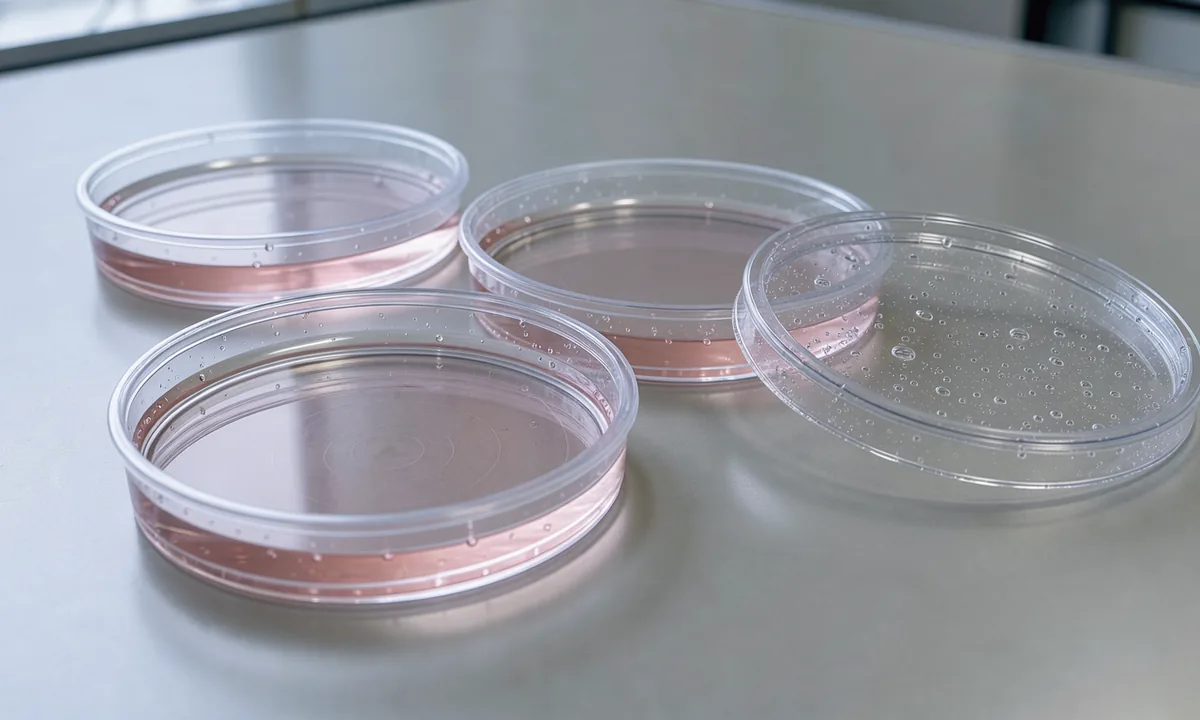
GHK-C16 in a wound dressing
The photo-crosslinkable hydrogel study reported several aspects of wound repair. It used GHK-C16 nanofibers embedded in a hyaluronic-acid material. In mouse wound models, the reported findings included improved wound closure, densely remodeled collagen and enhanced new blood-vessel formation. Proliferation and migration were also examined in human dermal fibroblasts in vitro; the experimental material outperformed non-lipidated GHK and EGF comparators for those cell measures.
Closure describes the wound surface. Collagen remodeling concerns the connective tissue being rebuilt, while new blood-vessel formation concerns its vascular supply. Cell proliferation and migration add another scale of observation. These findings belong together in an account of this experiment, but each describes a particular aspect of healing.
I give collagen remodeling equal weight here. I would ask whether the repaired tissue regains useful strength and function, and which measurements would establish that. The rat tendon experiment below tackles that question biomechanically. Neither experiment establishes functional recovery in people using KLOW.
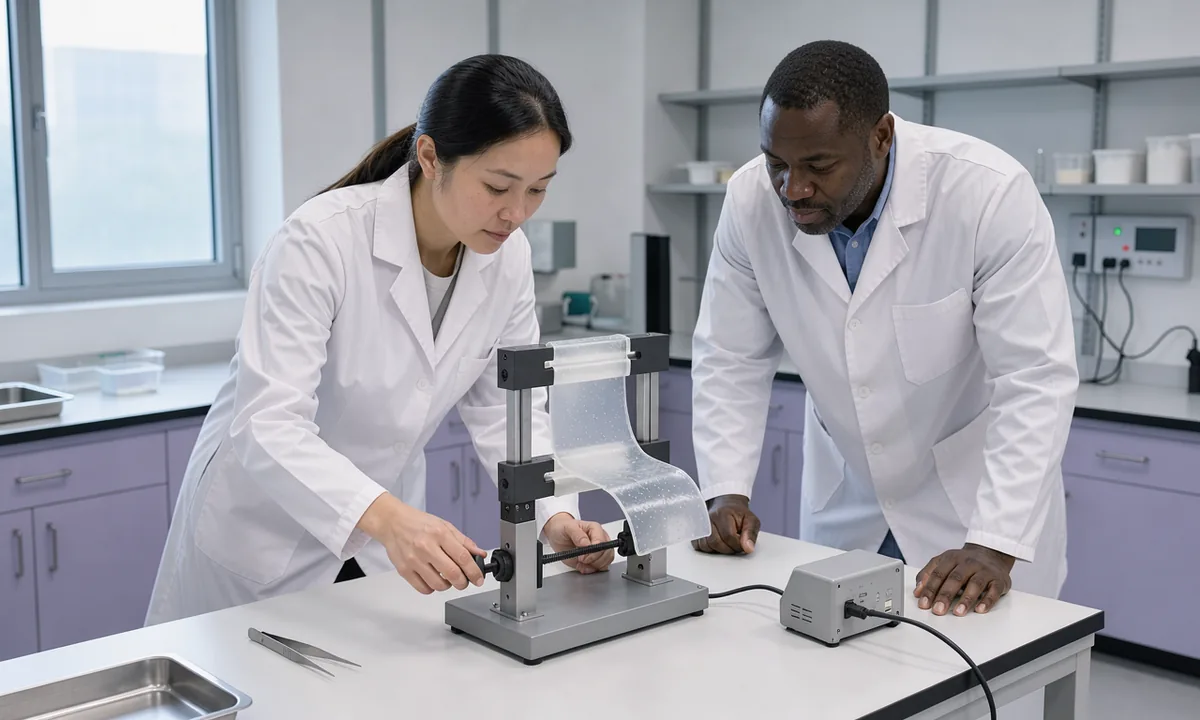
Achilles tendon biomechanics
In the BPC-157 Achilles tendon study, the tendon was fully transected in rats. Healing was assessed biomechanically, functionally, microscopically and macroscopically; tendocyte outgrowth was studied in vitro. Improved collagen organization and tendon integrity were reported against untreated controls.
The convergence of those measurements gives this experiment substance. A mechanical test asks something different from a microscope image. I trust the converging measurements more readily than the jump from a deliberately created rat injury to the varied tendon complaints grouped together in recovery accounts. The community reports rarely describe an injury model with anything like that precision.
Gut cells and oral KPV
The PepT1 study used human intestinal epithelial cell lines and Jurkat T cells in culture, alongside mouse colitis models. PepT1 is a transporter that carries small peptides into cells. KPV uptake through it was associated with reduced NF-kappaB and MAP-kinase inflammatory signaling and lower inflammatory cytokine secretion; oral KPV reduced disease severity in the mice.
The transport mechanism makes the gut setting especially interesting. It gives the anti-inflammatory result a location and an entry route. The KLOW blend still lacks a study showing how its combined formulation reaches those cells or changes outcomes in people with gut symptoms.
Thymosin beta-4 wound experiments
The 1999 wound experiment used the full-length protein. In rats with full-thickness wounds, re-epithelialization increased by 42% at four days and up to 61% at seven days versus saline. Re-epithelialization means the surface being covered again by skin-forming cells. Collagen deposition and angiogenesis also increased.
TB-500 is a short fragment of that protein. The molecular-size comparison makes the difference visible. The wound result can support interest in the parent protein while leaving the fragment's performance unresolved.
Later component papers
The 2023 thymosin beta-4 liver-fibrosis work concerns rodents and MAPK/NF-kappaB signaling. A 2024 BPC-157 review connects broad preclinical activity to possible neurotransmitter interactions; a 2025 cytoprotection review revisits its gastrointestinal and systemic framing. Reviews bring existing experiments together, so their breadth needs to be read with the underlying models in mind.
The 2025 pigmentation experiment used a palmitoyl copper peptide combined with acetyl tyrosine in human A375 and mouse B16 melanoma cell lines. It reported increased melanin production. The modified peptide, the accompanying compound and the cell-line setting make this a particularly poor shortcut to a claim about reversing grey hair with KLOW.